
health informatics, implementation science, artificial intelligence in health....

strengthening research capacity in digital health. AfHIRI will contribute to the WAITRO network through its established
health informatics, implementation science, artificial intelligence in health....

health informatics, implementation science, artificial intelligence in health....

resilience, and ensuring compliance ...


Initiative for Public Health (JoinPH) to advance use of digital health public health practice and research ...

joined hands with the Joint Initiative for Public Health (JoinPH) to ....


Our Vision
To be the leading digital health research advancement institution in Africa.
Our Mission
To contribute to healthcare digitization through evidence based decision-making process among African nations
Expert Team
The framework and method depends on expert team.


Maria Silverii
I had the pleasure of working with Consultio as part of a 6 month to ‘Regional Retail Leadership.
Founder & CEO

Rabier Suab
I had the pleasure of working with Consultio as part of a 6 month to ‘Regional Retail Leadership.
Founder & CEO

Maria Silverii
I had the pleasure of working with Consultio as part of a 6 month to ‘Regional Retail Leadership.
Founder & CEO

Rabier Suab
I had the pleasure of working with Consultio as part of a 6 month to ‘Regional Retail Leadership.
Founder & CEO

The African Health Informatics Research Institute (AfHIRI) joins World Association of Industrial and Technological Research Organizations (WAITRO)
Through this platform, AfHIRI contributes to the fostering of international collaboration, facilitating high-level networking, and strengthening research capacity in digital health. AfHIRI will contribute to…

Virtual Seminar on Fundamentals of Health information Systems Security
This seminar will provide essential insights into safeguarding health data, strengthening system resilience, and ensuring compliance with global best practices. Whether you are a researcher,…

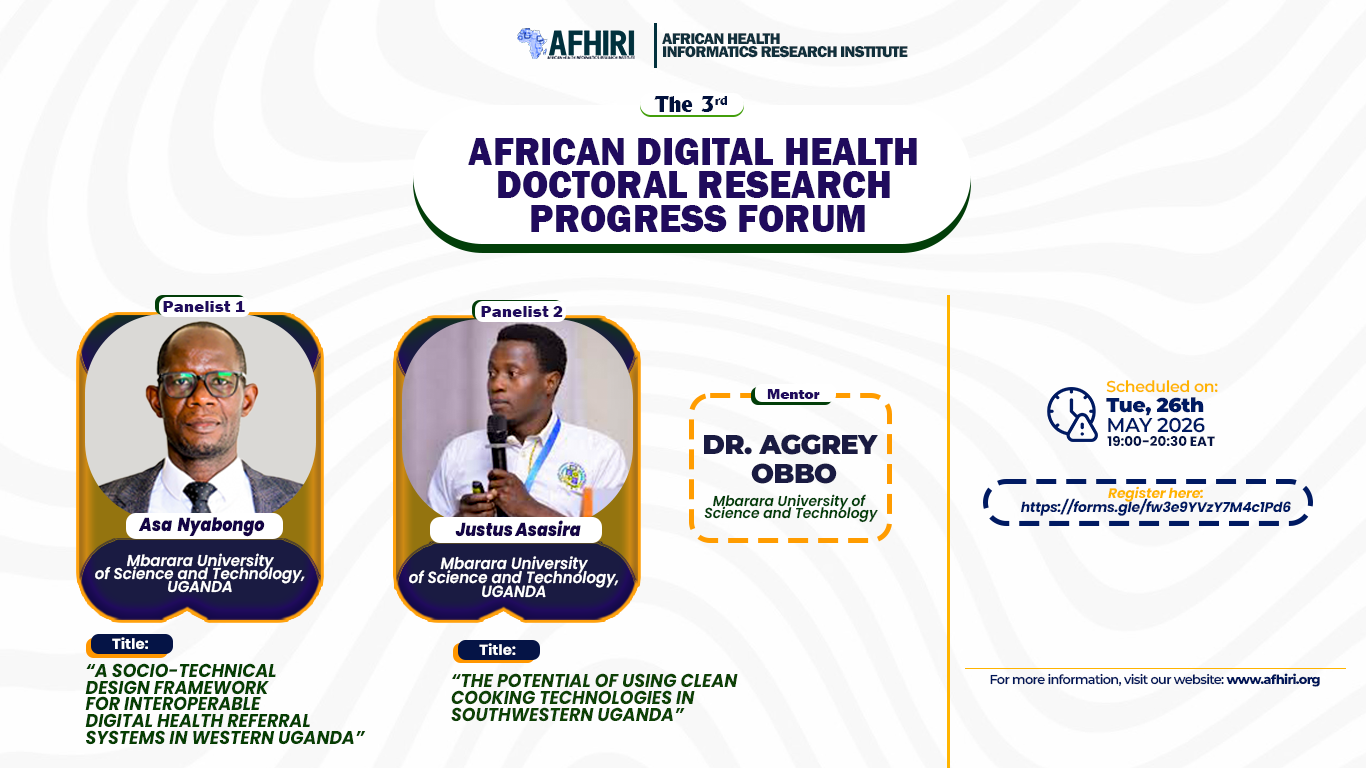
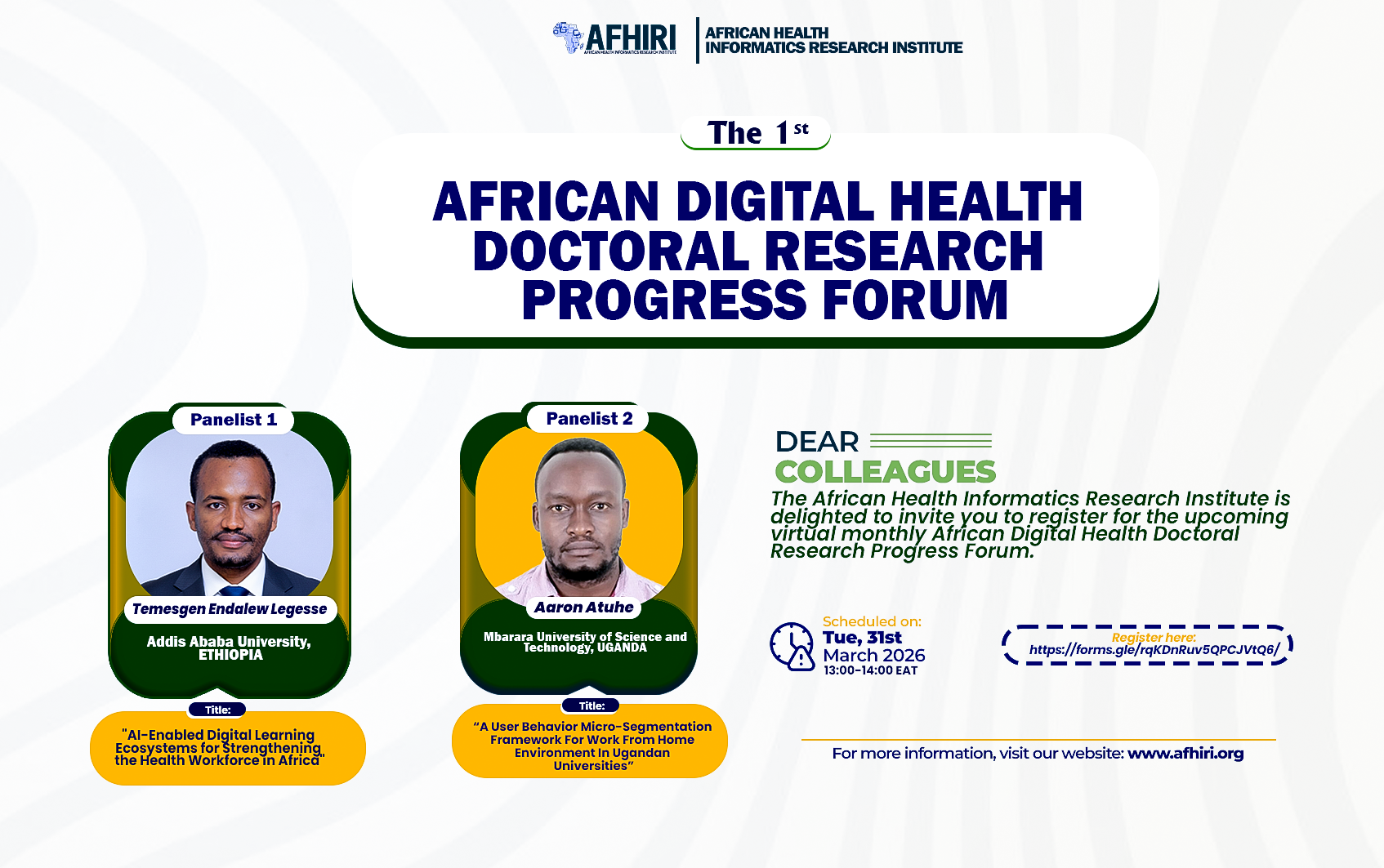
African Digital Health Doctoral Research Progress Forum
We invite you to join this quarterly forum that provides doctoral researchers working in digital health, health informatics, implementation science, artificial intelligence in health and…

Research to Policy Path ways: How Academia can influence Africa’s Digital Health Agenda
Academia plays a pivotal role in shaping Africa’s digital health agenda by translating rigorous research into practical, evidence-based policy. Through interdisciplinary studies, pilot projects, and…

Championing Excellence in Public Health Practice and Research to Advance health
African Digital Health Research Advancement Center (ADHRAC) announces its partnership with the Joint Initiative for Public Health (JoinPH) to advance use of digital health public…

Advancement use of Digital Health Public Health Practice and Research at Mbale Referral Hospital
We are pleased to announce that African Digital Health Research Advancement Center (ADHRAC) has joined hands with the Joint Initiative for Public Health (JoinPH) to…



